Skip to content

Independent devotional guide — not the official temple website.Official site: maakamakhya.org(opens in a new tab)

माँ कामाख्या देवीMaa Kamakhya Devi

Shakti Peetha

What is a Shakti Peetha?

The story of Sati, why the lists of Shakti Peethas differ, and what makes Kamakhya especially important in the tradition.

Editorial team 5 min read

Scriptural tradition

The story of Sati

According to Puranic and Shakta tradition, Sati — the wife of Shiva — gave up her life at the sacrifice of her father Daksha, who had insulted Shiva. Grief-stricken, Shiva carried her body across the universe. To end his grief, Vishnu’s discus divided the body, and the places where its parts fell became the Shakti Peethas, “seats of the Goddess”.

Source: Shakti Peetha

Editorial

Why the lists differ

There is no single list. Different texts count 4, 18, 51, 52, 108 or other numbers of Peethas, and they do not always name the same places. It is therefore best to say that a place is a Shakti Peetha “according to” a particular tradition or text.

Source: Shakti Peetha

Religious tradition

Kamakhya

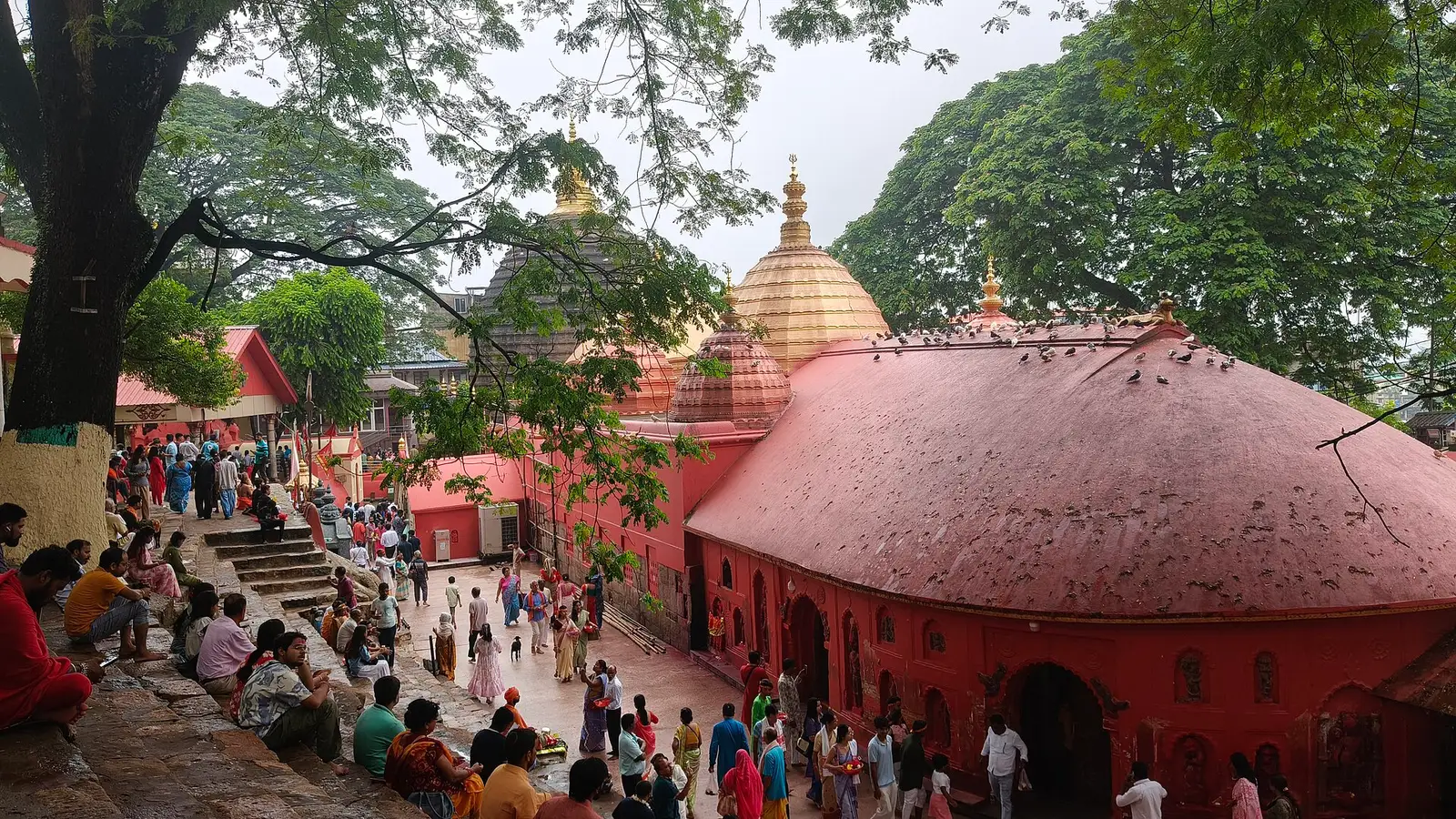
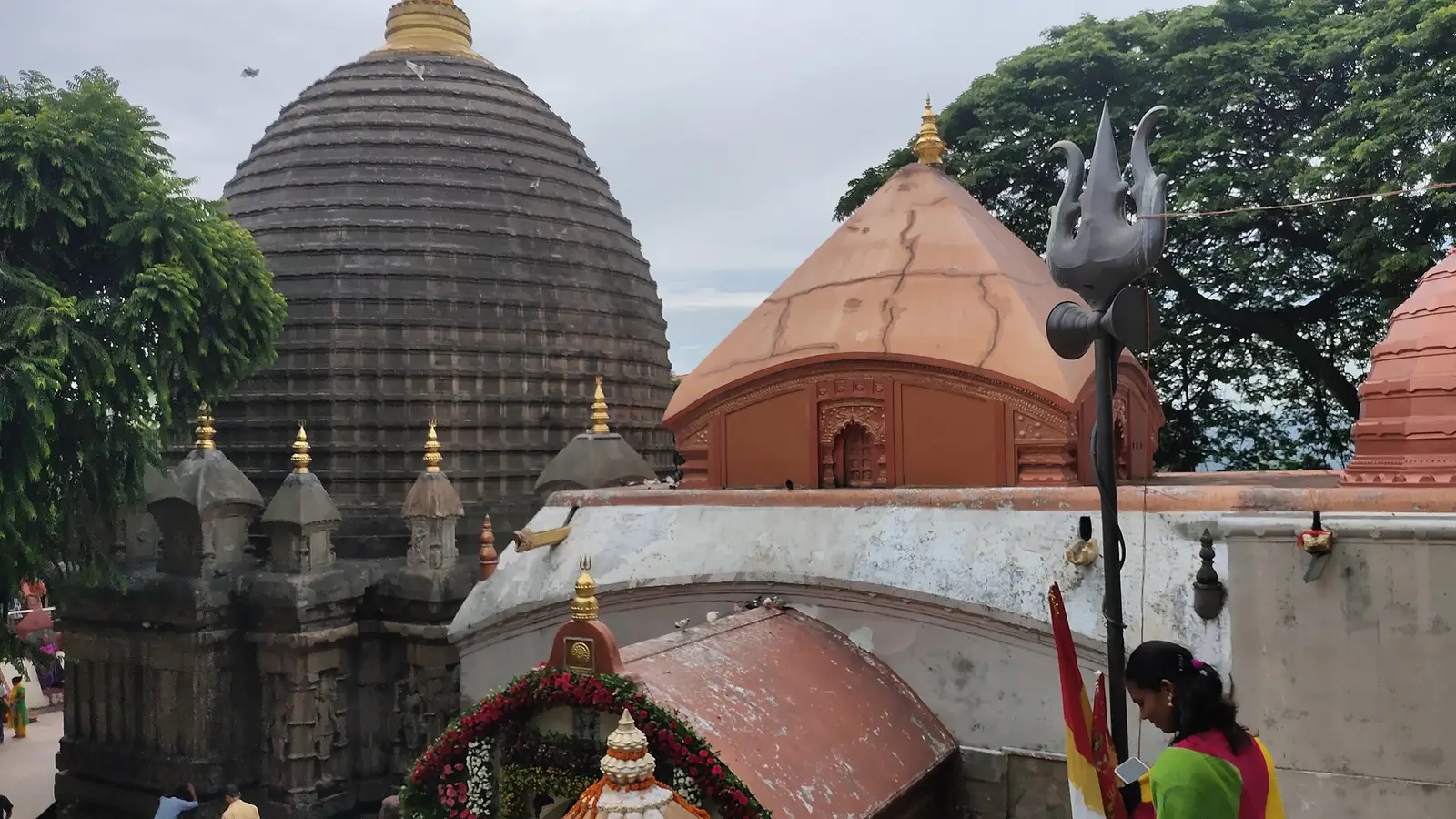
Kamakhya is identified in tradition as the place where the yoni of Sati fell, and it appears prominently in most lists. The Devalaya calls it the most sacred and oldest of the 51 Shakti Peethas.

Sources: About Maa Kamakhya Devalaya; Kamakhya Temple

Sources

  1. 1
    About Maa Kamakhya Devalaya(opens in a new tab)

    Maa Kamakhya Devalaya · Official — Maa Kamakhya Devalaya · accessed 23 September 2026

  2. 2
    Shakti Peetha(opens in a new tab)

    Wikipedia · Reference · accessed 23 September 2026
  3. 3
    Kamakhya Temple(opens in a new tab)

    Wikipedia · Reference · accessed 23 September 2026
Kamakhya Temple with its red walls and golden shikhara on Nilachal Hill, with devotees in the courtyard
Photo: BhuyanBhaskar / Wikimedia Commons · CC BY 4.0
KamakhyaShakti Peetha

Maa Kamakhya (Kameswari)

Maa Kamakhya Devalaya

On Nilachal Hill in western Guwahati, above the Brahmaputra

The temple of Maa Kamakhya on Nilachal Hill in western Guwahati is revered in Shakta tradition as one of the most important Shakti Peethas and as a…

View temple
The beehive-shaped shikhara of the Kamakhya temple
Maa Kamakhya

Who is Maa Kamakhya?

Kamakhya, Kameswari, the Goddess of Desire: who the Goddess of Nilachal is in Shakta tradition, and how the temple itself describes her.

6 min read

माँ कामाख्या देवी

जय माँ कामाख्या

श्रद्धा • शक्ति • साधना

Faith • Shakti • Devotion

Official temple information

For darshan, puja, bookings and donations, use only the official website of Maa Kamakhya Devalaya: maakamakhya.org(opens in a new tab). This website takes no bookings, payments or donations.

Disclaimer

This website is an independent informational and pilgrimage resource. Temple timings, darshan arrangements, festival dates, travel costs and other information may change. Visitors should verify important details with the official Maa Kamakhya Devalaya before travelling.

Descriptions of religious traditions, beliefs and legends are presented for informational purposes and may differ across traditions and sources.

Sister site: Maa Dakshin Kali — an independent guide to Kali temples and Shakta pilgrimage.

© 2026 maakamakhyamandir.org — an independent devotional and pilgrimage resource. Not affiliated with Maa Kamakhya Devalaya or any temple authority.